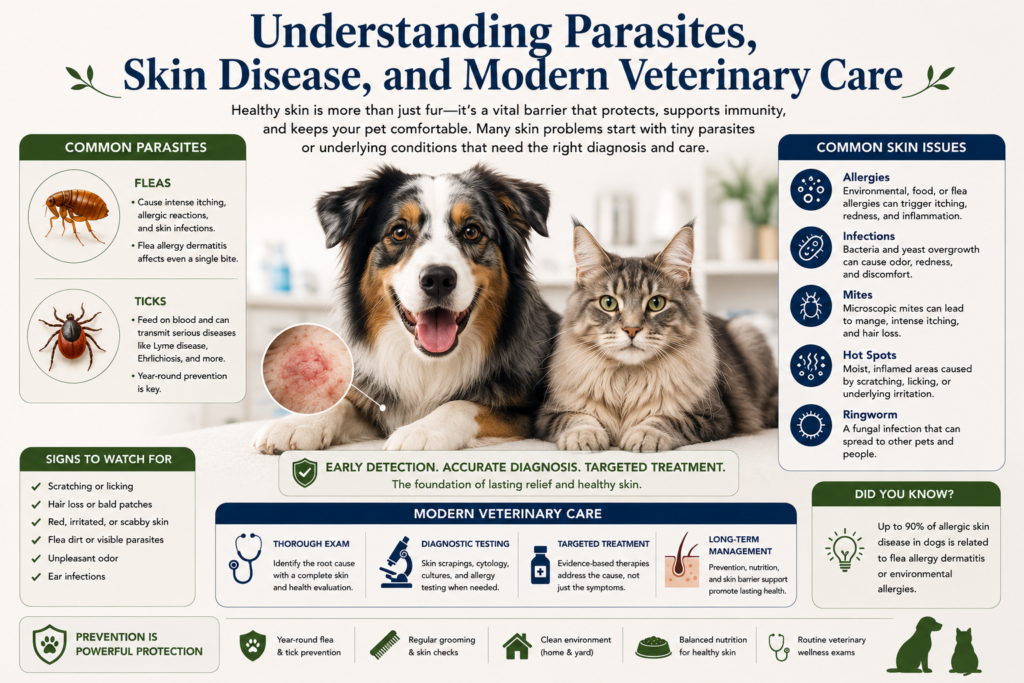
Understanding Parasites, Skin Disease, and Modern Veterinary Care
Skin disease is one of the most common reasons dogs and cats are brought to veterinary clinics worldwide. Veterinary dermatology studies estimate that skin-related conditions account for a substantial proportion of companion animal consultations, ranging from itching and hair loss to infections, allergies, parasites, and chronic inflammatory disease.
Among the most important contributors to skin disease are:
- Fleas
- Ticks
- Allergic dermatitis
- Secondary bacterial and yeast infections
- Mites
- Environmental allergies
- Food hypersensitivities
- Skin barrier dysfunction
Because the skin acts as a major protective organ, chronic skin disease can significantly affect a pet’s comfort, immune function, sleep, grooming behavior, and overall quality of life.
Modern veterinary medicine increasingly recognizes that many skin problems are multifactorial, involving interactions between parasites, the immune system, microbiome balance, nutrition, genetics, and environmental exposure.
Understanding the Skin: More Than Just Fur
The skin is the body’s largest organ and serves several critical functions:
- Physical protection
- Immune defense
- Temperature regulation
- Hydration maintenance
- Sensory perception
- Microbial balance
Healthy skin contains:
- A functional skin barrier
- Beneficial microorganisms
- Immune cells
- Sebaceous secretions
- Hair follicles
When the skin barrier becomes disrupted, pets become more vulnerable to:
- Irritation
- Allergens
- Parasites
- Bacterial overgrowth
- Yeast infections
Veterinary dermatology research shows that impaired skin barrier function plays a major role in allergic skin disease and recurrent infections.
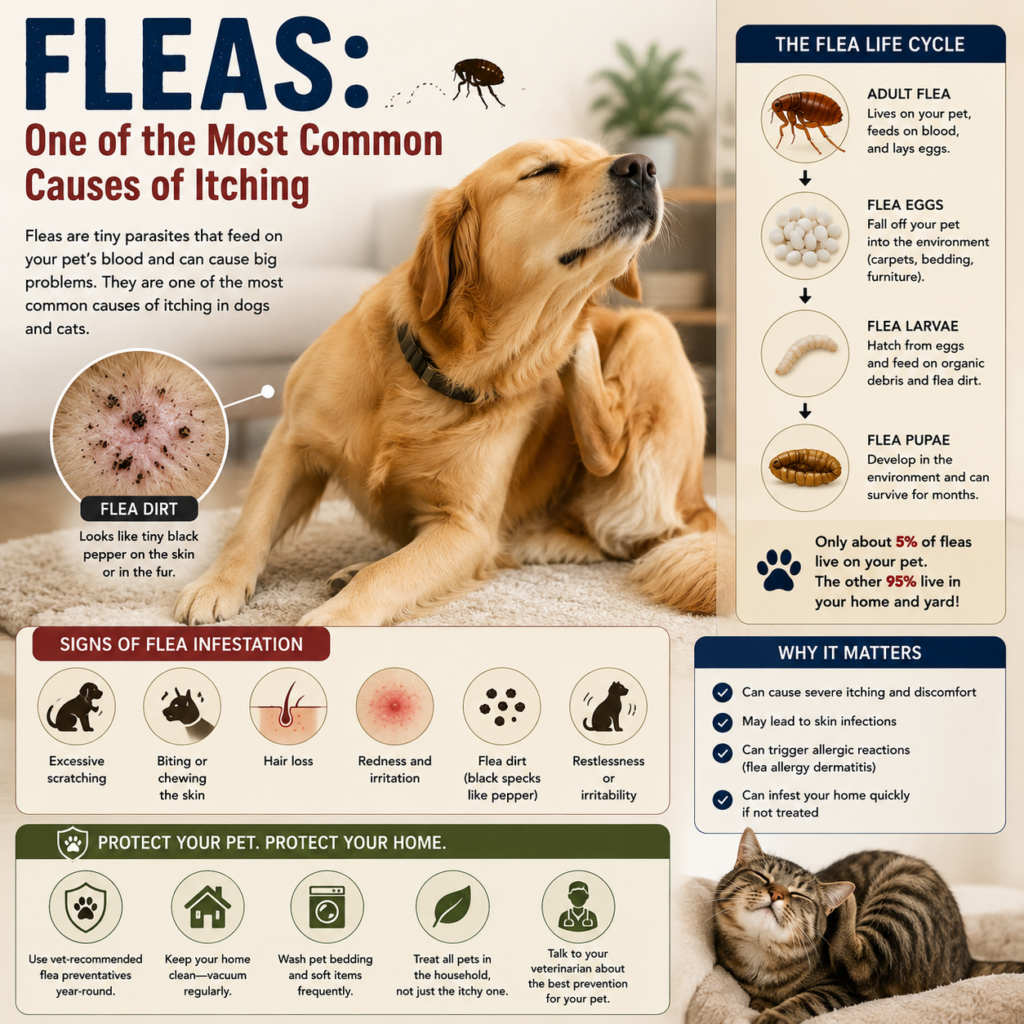
Fleas: One of the Most Common Causes of Itching
Fleas remain among the most significant external parasites affecting dogs and cats globally.
The most common species is:
- Ctenocephalides felis (the cat flea)
Despite its name, the cat flea commonly affects both dogs and cats.
Fleas feed on blood and reproduce rapidly. A single female flea can lay dozens of eggs per day, leading to widespread environmental infestation.
Common signs of flea infestation include:
- Excessive scratching
- Chewing or biting the skin
- Hair loss
- Redness and irritation
- Flea dirt (black specks resembling pepper)
- Restlessness
Pets may continue experiencing symptoms even when fleas are difficult to see because much of the flea life cycle occurs in the environment rather than on the animal itself.
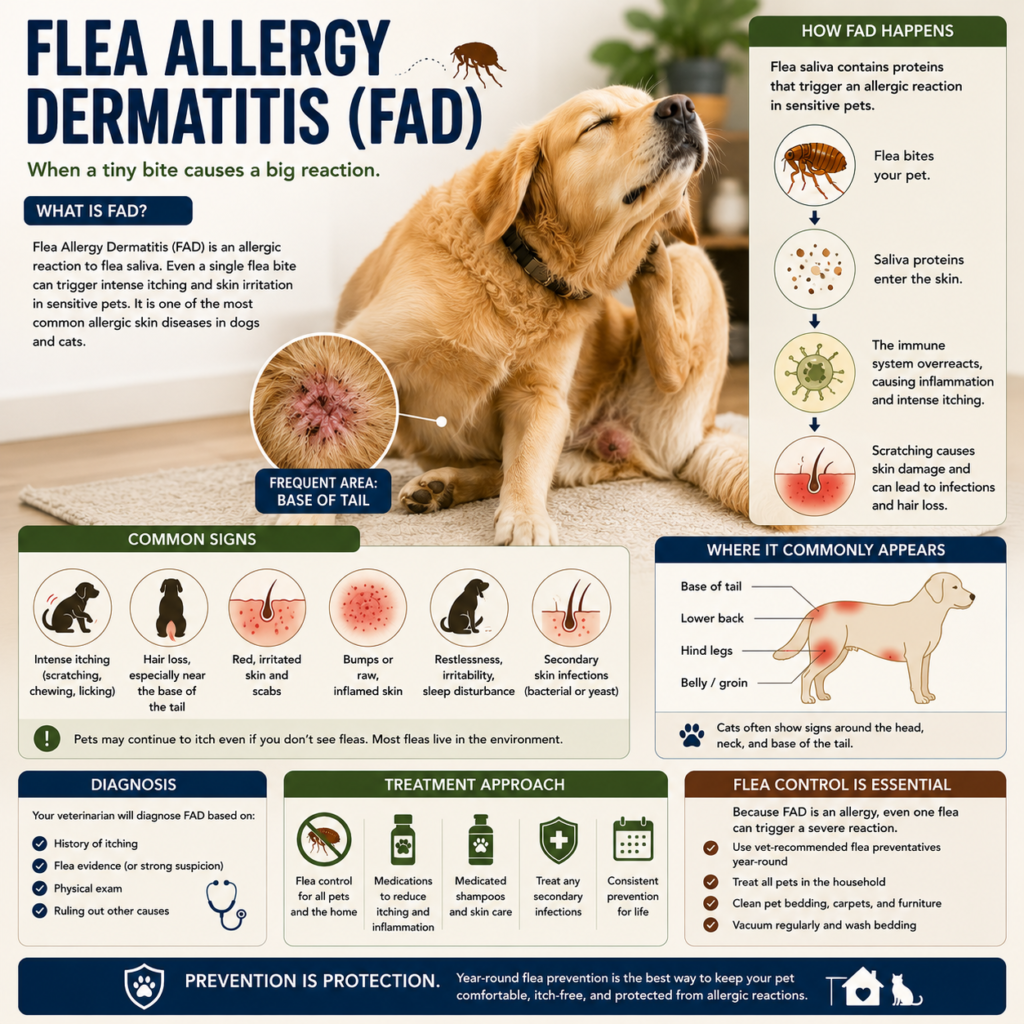
Flea Allergy Dermatitis (FAD)
Some pets develop flea allergy dermatitis, one of the most common allergic skin diseases in veterinary medicine.
FAD occurs when the immune system overreacts to flea saliva proteins.
Importantly, even a single flea bite may trigger severe itching in highly sensitive animals.
Common signs include:
- Intense itching
- Hair loss near the tail base
- Scabs and crusting
- Secondary skin infections
- Skin thickening over time
Studies show flea allergy dermatitis is particularly common in warm and humid climates where flea populations thrive year-round.
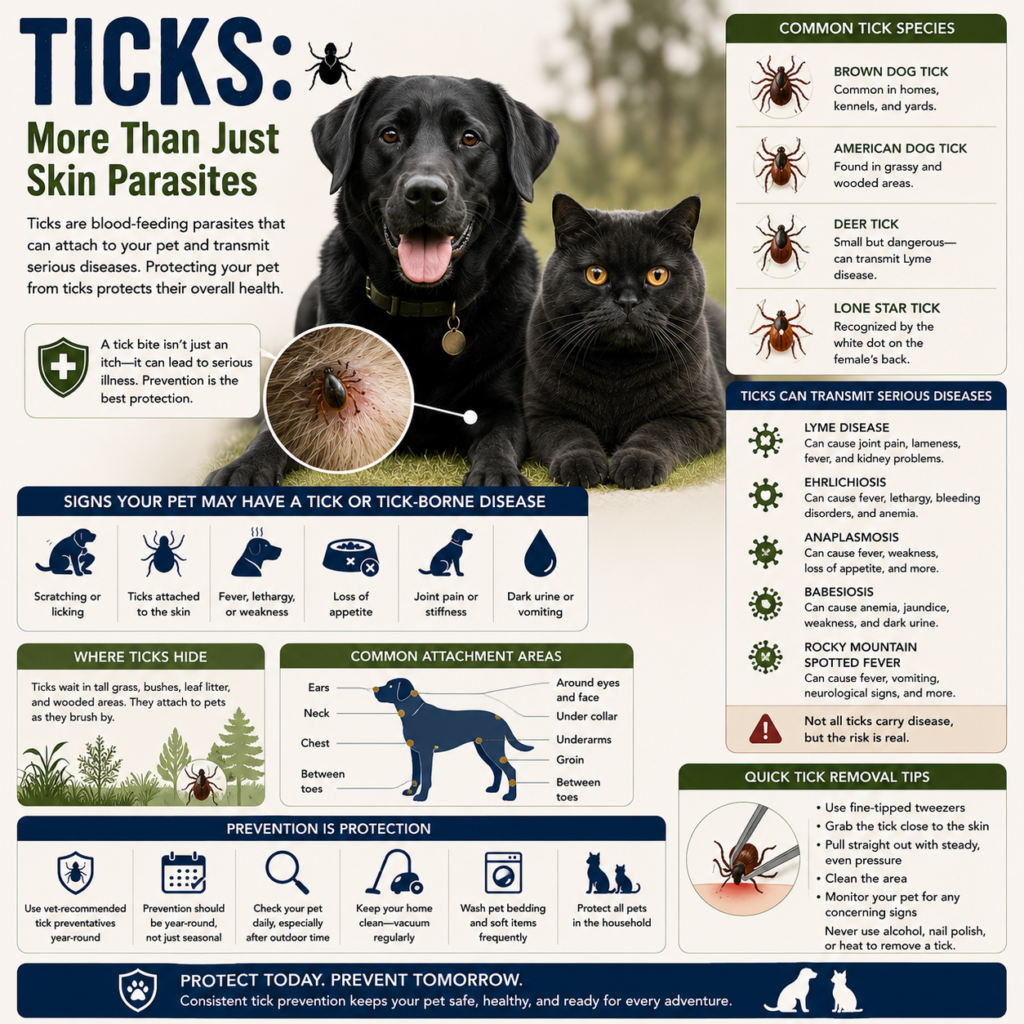
Ticks: More Than Just Skin Parasites
Ticks are blood-feeding parasites capable of transmitting serious infectious diseases.
Common tick species affecting pets include:
- Brown dog tick
- American dog tick
- Deer tick
- Lone star tick
Ticks may transmit pathogens associated with:
- Lyme disease
- Ehrlichiosis
- Anaplasmosis
- Babesiosis
- Rocky Mountain spotted fever
Clinical signs vary depending on the disease transmitted and may include:
- Fever
- Lethargy
- Joint pain
- Loss of appetite
- Enlarged lymph nodes
- Neurological symptoms
Veterinary parasitology research emphasizes the importance of year-round tick prevention due to expanding tick populations associated with climate and environmental changes.
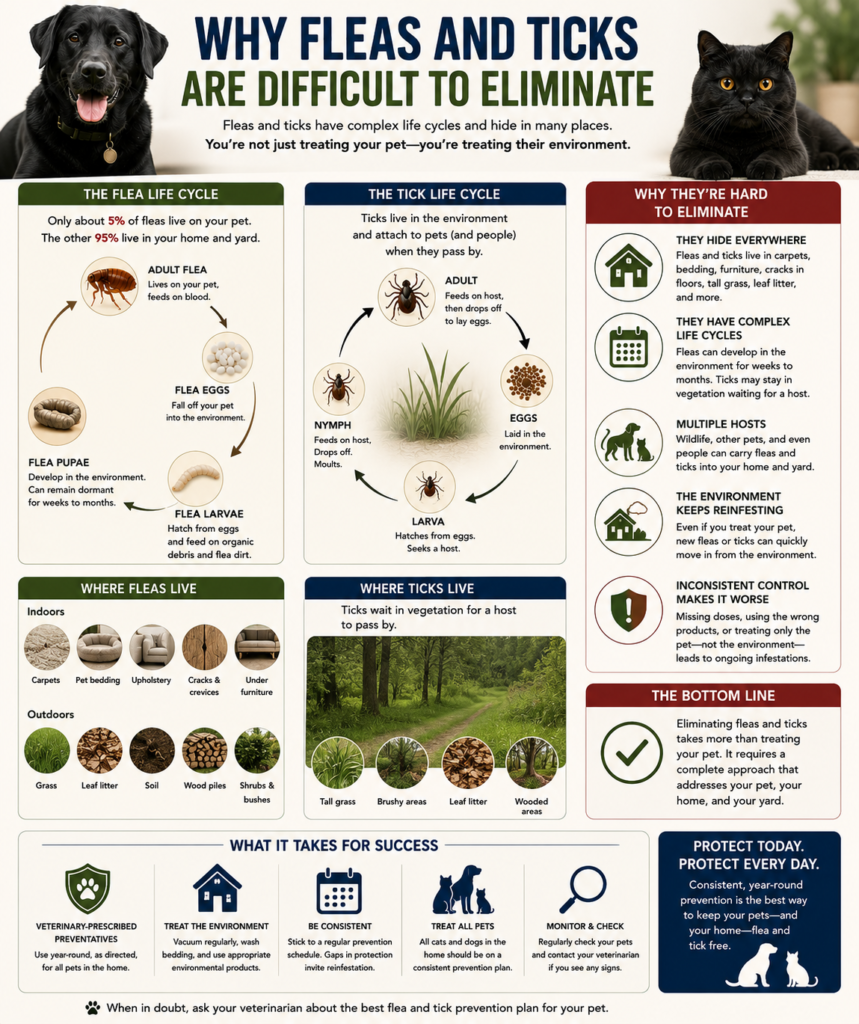
Why Fleas and Ticks Are Difficult to Eliminate
Effective flea and tick control requires understanding the parasite life cycle.
Only a small percentage of fleas typically live on the pet itself. Eggs, larvae, and pupae often exist in:
- Carpets
- Bedding
- Furniture
- Outdoor environments
Ticks may survive in:
- Grass
- Soil
- Bushes
- Wooded areas
Successful parasite control usually requires:
- Veterinary preventatives
- Environmental cleaning
- Consistent prevention
- Treatment of all pets in the household
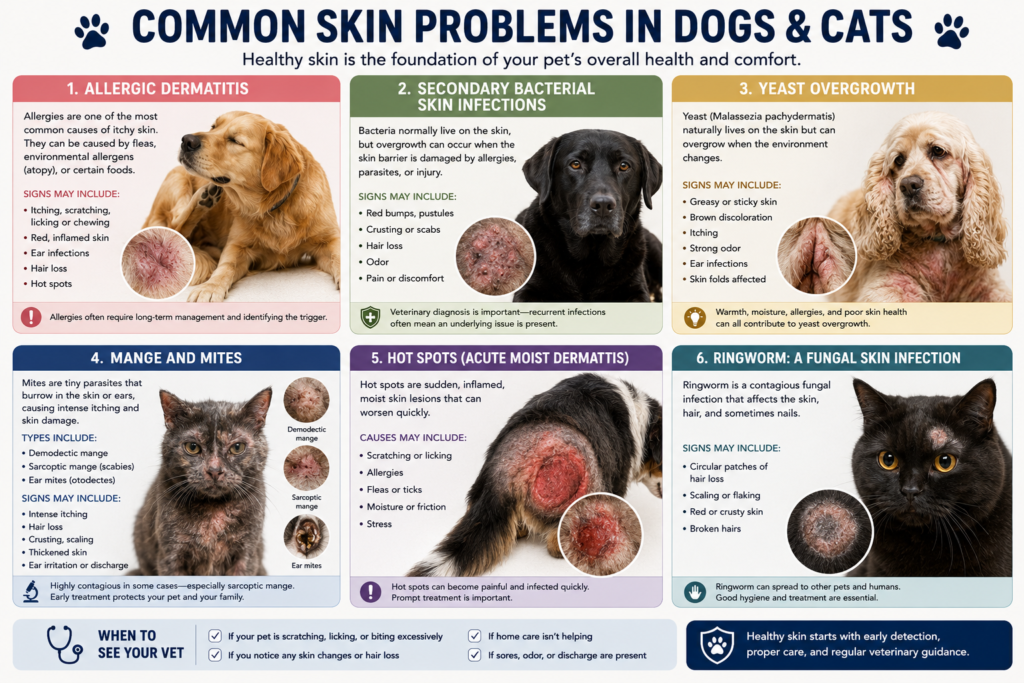
Common Skin Problems in Dogs and Cats
Allergic Dermatitis
Allergies are among the most common causes of chronic skin disease.
Major forms include:
- Flea allergy dermatitis
- Environmental allergies (atopy)
- Food allergies
Symptoms may include:
- Itching
- Ear infections
- Paw licking
- Face rubbing
- Red skin
- Chronic inflammation
Canine atopic dermatitis is increasingly recognized as a complex inflammatory disease involving immune dysfunction and impaired skin barrier integrity.
Secondary Bacterial Skin Infections
Chronic scratching and skin inflammation may damage the skin barrier, allowing bacteria to overgrow.
The most common bacterial organism involved is:
- Staphylococcus pseudintermedius
Signs may include:
- Red bumps
- Pustules
- Odor
- Crusting
- Hair loss
- Moist skin lesions
Recurrent infections often indicate an underlying problem such as allergies or hormonal disease.
Yeast Overgrowth
Yeast dermatitis commonly involves:
- Malassezia pachydermatis
This yeast normally exists on healthy skin but may overgrow when the skin environment changes.
Common signs include:
- Greasy skin
- Brown discoloration
- Strong odor
- Itching
- Ear infections
Warm, moist skin folds and inflamed skin are particularly prone to yeast overgrowth.
Mange and Mites
Mites are microscopic parasites that can cause severe skin disease.
Important mite conditions include:
- Demodectic mange
- Sarcoptic mange (scabies)
- Ear mites
Symptoms may include:
- Hair loss
- Crusting
- Intense itching
- Skin thickening
Sarcoptic mange is highly contagious and may temporarily affect humans.
Hot Spots (Acute Moist Dermatitis)
Hot spots are inflamed, infected skin lesions caused by:
- Self-trauma
- Allergies
- Fleas
- Moisture trapping
- Underlying itching
They often appear suddenly and can become painful very quickly.
Common locations include:
- Neck
- Hips
- Tail base
Ringworm: A Fungal Skin Infection
Despite its name, ringworm is not caused by worms.
It is a fungal infection caused by dermatophytes.
Signs may include:
- Circular hair loss
- Scaling
- Broken hairs
- Crusting
Ringworm is contagious to:
- Other pets
- Humans
Cats are especially important carriers.
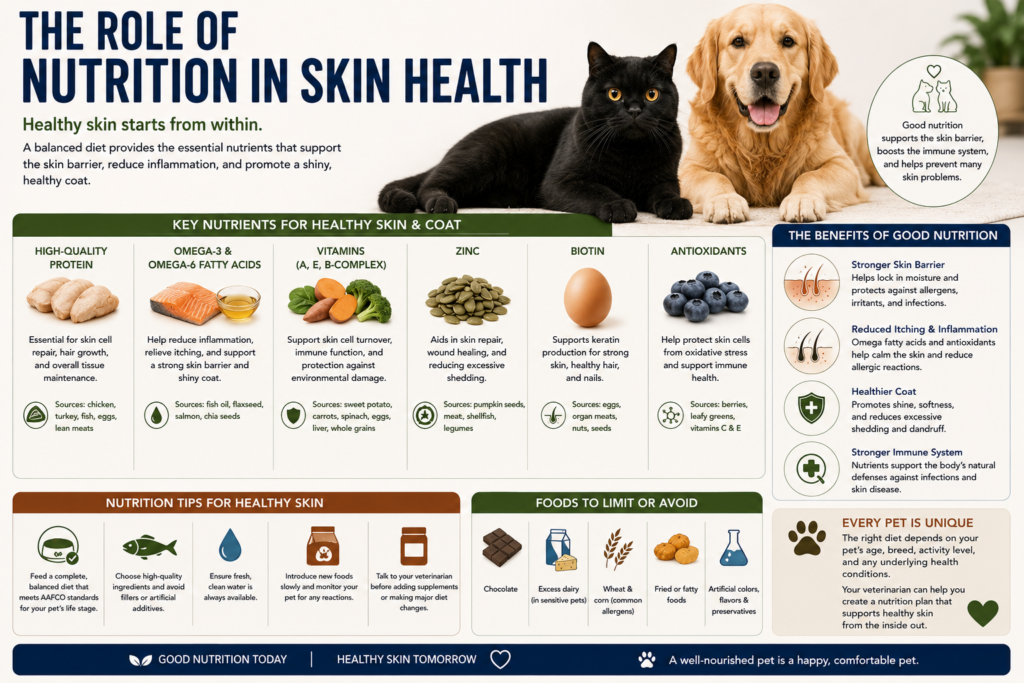
The Role of Nutrition in Skin Health
Skin and coat health are closely linked to nutrition.
Key nutrients include:
- High-quality protein
- Omega-3 fatty acids
- Zinc
- Vitamin A
- Vitamin E
- Essential fatty acids
Poor nutrition may contribute to:
- Dry skin
- Dull coat
- Delayed healing
- Increased inflammation
Research supports the use of omega-3 fatty acids in helping modulate inflammatory skin disease in dogs.
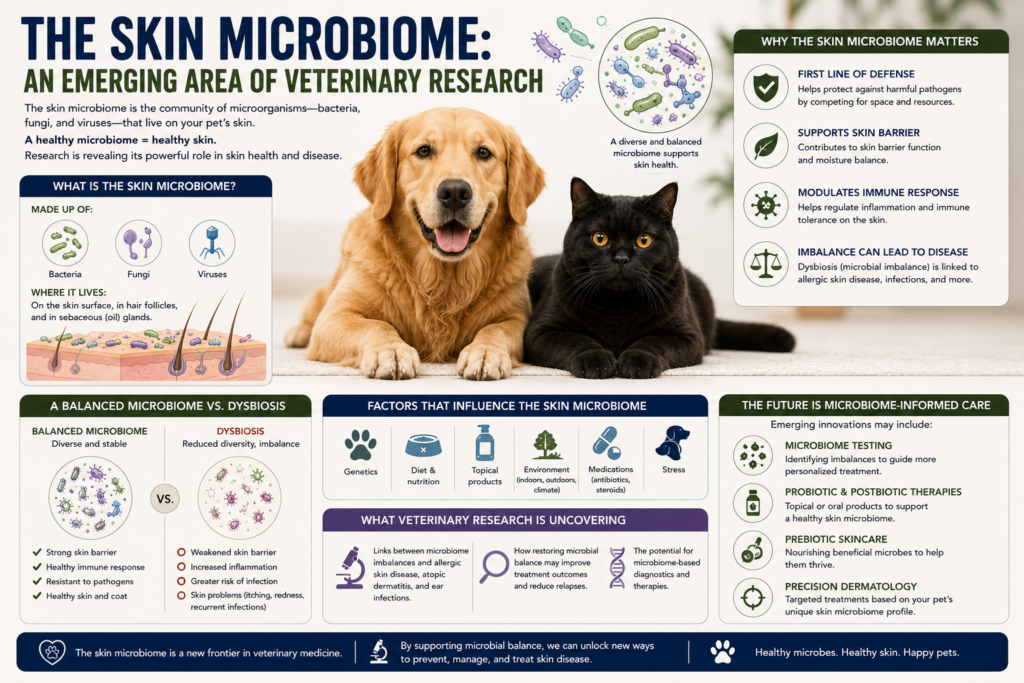
The Skin Microbiome: An Emerging Area of Veterinary Research
Modern veterinary dermatology increasingly studies the skin microbiome — the community of microorganisms living on the skin.
Healthy skin maintains microbial balance, while diseased skin often develops microbial dysbiosis.
Research suggests allergic dogs frequently show reduced microbial diversity and increased bacterial overgrowth.
This has led to growing interest in:
- Barrier repair therapy
- Gentle skin care
- Microbiome-supportive approaches
- Reduced unnecessary antibiotic use
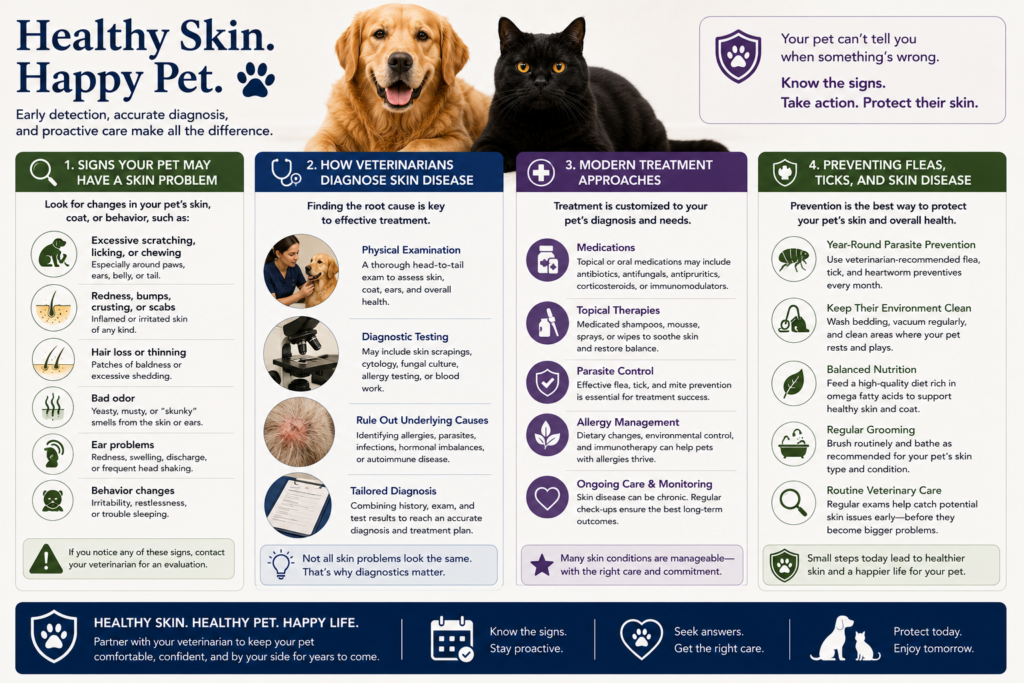
Signs Your Pet May Have a Skin Problem
Pet owners should monitor for:
- Excessive scratching
- Paw licking
- Hair loss
- Redness
- Scabs
- Odor
- Greasy coat
- Thickened skin
- Ear infections
- Fleas or flea dirt
- Visible ticks
Early veterinary intervention may help prevent chronic disease progression.
How Veterinarians Diagnose Skin Disease
Diagnosis often involves multiple steps:
- Physical examination
- Skin scraping
- Flea combing
- Cytology
- Fungal culture
- Allergy testing
- Diet trials
- Bloodwork
Because many skin diseases appear similar, accurate diagnosis is important for effective treatment.
Modern Treatment Approaches
Treatment depends on the underlying cause and may include:
- Flea/tick preventatives
- Anti-itch medications
- Antibiotics
- Antifungal therapy
- Medicated shampoos
- Allergy management
- Dietary therapy
- Skin barrier repair products
Veterinary dermatologists increasingly emphasize multimodal treatment approaches rather than focusing only on symptoms.
Preventing Fleas, Ticks, and Skin Disease
Evidence-based prevention strategies include:
- Year-round parasite prevention
- Regular grooming
- Routine skin checks
- Prompt treatment of itching
- Balanced nutrition
- Environmental hygiene
- Veterinary wellness exams
Early prevention often reduces the risk of chronic skin disease and secondary infections.

Final Thoughts
Fleas, ticks, and skin diseases are among the most common health problems affecting dogs and cats. Modern veterinary research shows these conditions often involve complex interactions between parasites, allergies, immunity, the skin barrier, microbial balance, and environmental factors.
Effective management requires more than simply treating visible symptoms. Long-term skin health often depends on:
- Consistent parasite prevention
- Proper diagnosis
- Nutritional support
- Skin barrier care
- Early veterinary intervention
With appropriate preventive care and evidence-based treatment, many pets with chronic skin problems can experience significant improvement in comfort, coat quality, and overall quality of life.
References
- Marsella R, De Benedetto A. Atopic Dermatitis in Animals and People. Journal of Investigative Dermatology. (pmc.ncbi.nlm.nih.gov)
- Merck Veterinary Manual. Flea Allergy Dermatitis in Dogs and Cats. Merck Veterinary Manual
- CDC Veterinary Tick Information. Centers for Disease Control and Prevention
- Santoro D et al. The Skin Microbiome in Healthy and Allergic Dogs. (pmc.ncbi.nlm.nih.gov)
- Vaughn DM et al. Effect of Omega-3 Fatty Acids on Canine Skin Disease. (pmc.ncbi.nlm.nih.gov)
- ESCCAP Guidelines: Flea and Tick Control in Dogs and Cats. ESCCAP Official Website