A Science-Based Guide to Nutrition for Aging Dogs and Cats
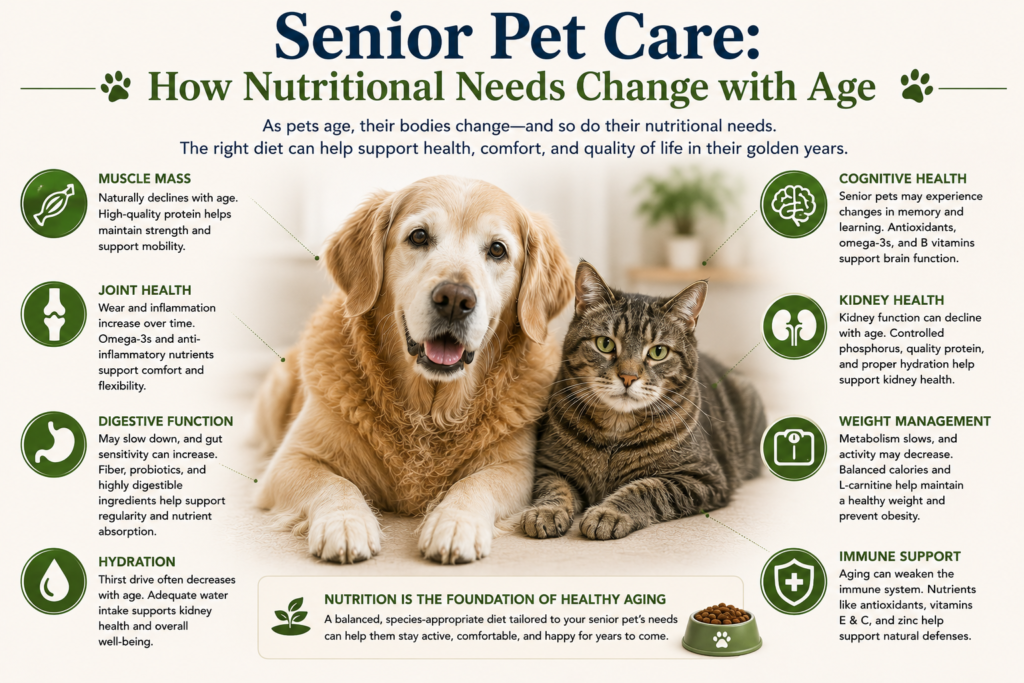
As dogs and cats age, their bodies undergo significant physiological and metabolic changes that influence how they digest, absorb, and utilize nutrients. Aging affects muscle mass, immune function, joint health, organ function, digestion, cognition, hydration, and energy metabolism. Veterinary nutrition research increasingly shows that senior pets require nutritional strategies that differ substantially from those used for younger adults.
Modern veterinary medicine no longer views aging as a passive process. Instead, nutritional intervention is now recognized as one of the most important tools for supporting healthy longevity, mobility, cognitive function, body condition, and quality of life in senior pets.
When Is a Pet Considered “Senior”?
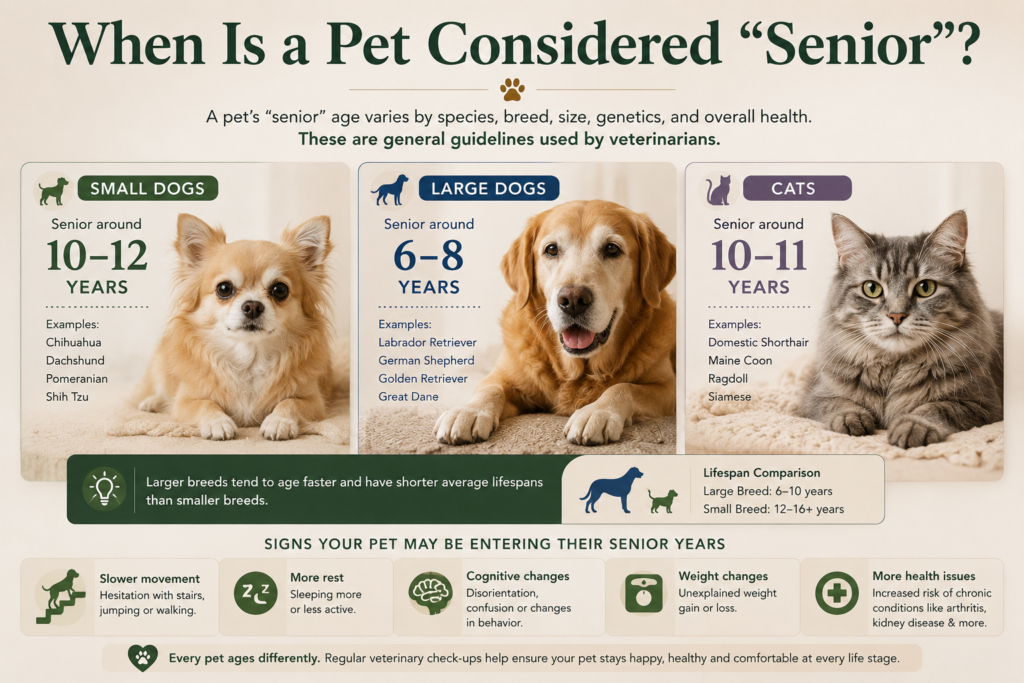
There is no universal age at which pets become seniors because aging rates vary according to species, breed, body size, genetics, and health status.
Veterinary sources generally classify:
- Small dogs as senior around 10–12 years
- Large-breed dogs around 6–8 years
- Cats around 10–11 years
Larger dog breeds tend to age more rapidly and have shorter average lifespans than smaller breeds.
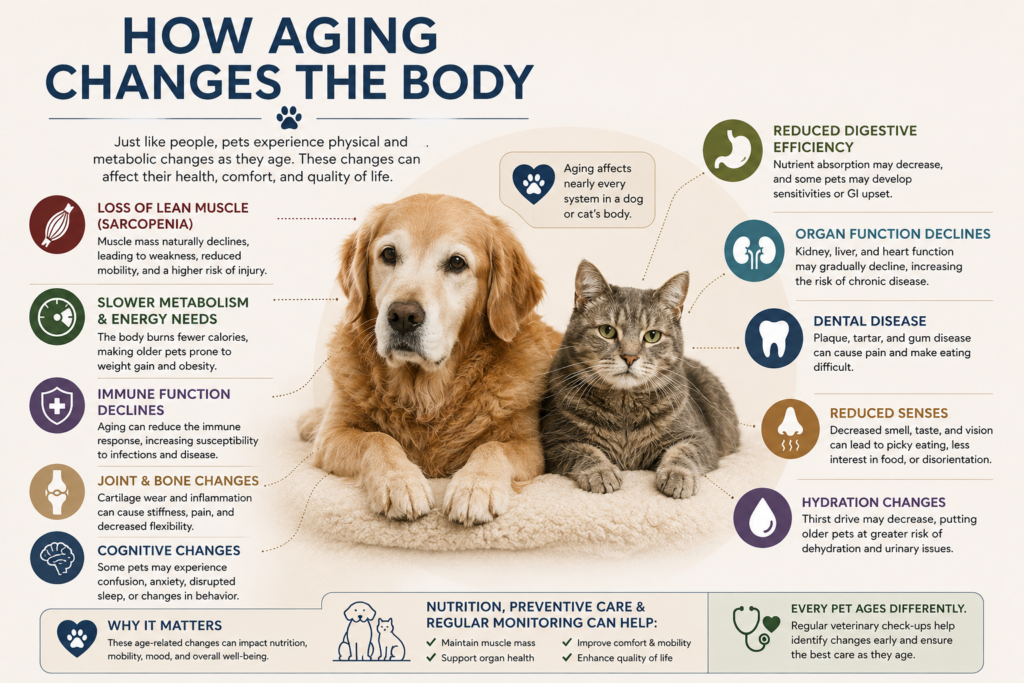
How Aging Changes the Body
Aging affects nearly every organ system in dogs and cats.
Common physiological changes include:
- Reduced lean muscle mass (sarcopenia)
- Slower metabolism
- Increased body fat
- Reduced digestive efficiency
- Altered immune response
- Joint degeneration
- Declining kidney function
- Dental disease
- Reduced sense of smell and taste
- Cognitive decline
Veterinary nutrition studies show that lean body mass loss is one of the most significant age-related changes in senior pets and is strongly associated with reduced survival and poorer overall health outcomes.
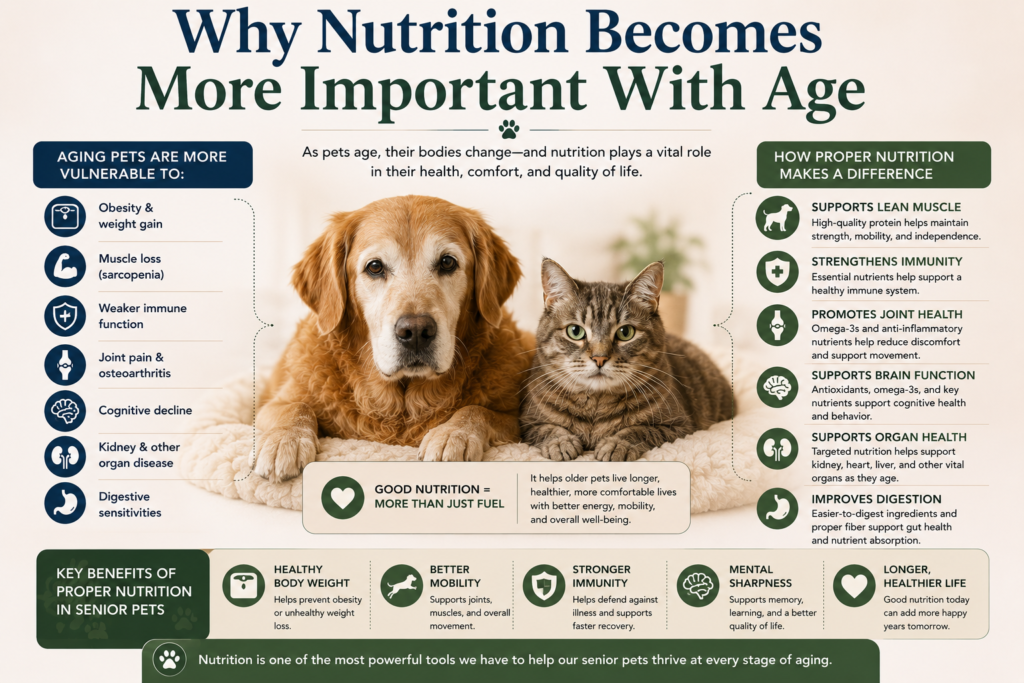
Why Nutrition Becomes More Important With Age
Senior pets are more vulnerable to:
- Obesity
- Muscle wasting
- Chronic inflammation
- Osteoarthritis
- Cognitive dysfunction
- Kidney disease
- Gastrointestinal disorders
- Frailty
Proper nutrition helps support:
- Healthy body composition
- Immune function
- Mobility
- Cognitive health
- Organ function
- Skin and coat condition
- Digestive health
Research increasingly supports the role of targeted nutrition in extending healthy lifespan and improving quality of life in aging pets.
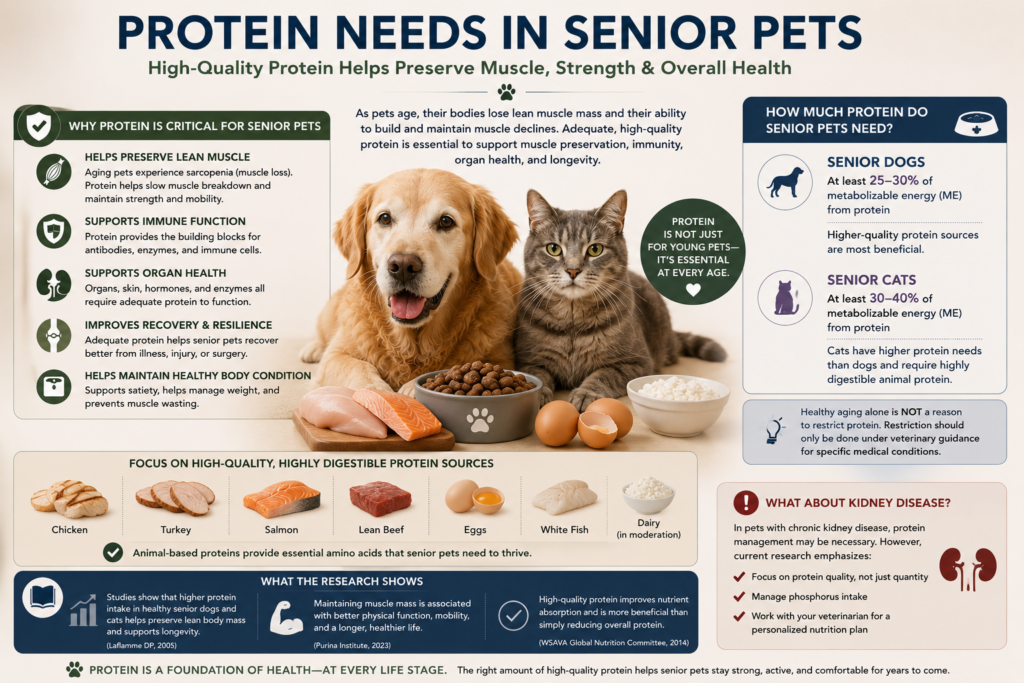
Protein Needs in Senior Pets
One of the biggest misconceptions in senior pet nutrition is that older pets require low-protein diets.
Current veterinary research suggests the opposite for healthy senior pets.
Studies show that aging dogs and cats often have:
- Reduced protein synthesis
- Increased muscle breakdown
- Higher risk of sarcopenia
Higher-quality protein intake may help preserve lean muscle mass during aging.
Research published in The Journal of Nutrition and veterinary nutrition reviews suggests that healthy senior dogs may benefit from diets providing at least 25% of calories from protein.
Similarly, senior cats often require highly digestible animal protein because aging cats may absorb nutrients less efficiently.
Importantly, veterinary experts emphasize that healthy aging alone is not a reason to restrict protein unless medically indicated for conditions such as advanced kidney disease.
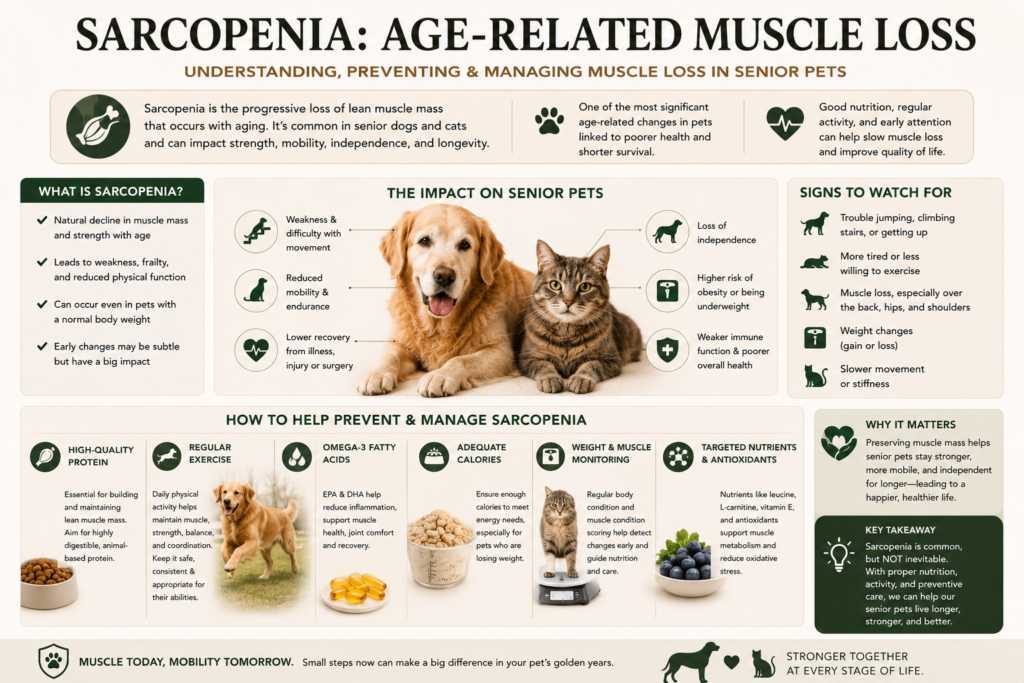
Sarcopenia: Age-Related Muscle Loss
Sarcopenia refers to the progressive loss of lean muscle mass during aging.
This condition is increasingly recognized in veterinary medicine as a major contributor to:
- Weakness
- Frailty
- Reduced mobility
- Poor recovery from illness
- Lower survival rates
Research in senior cats found that lean body mass declines significantly after approximately 12 years of age.
Studies also suggest that preserving muscle mass may improve longevity in aging cats and dogs.
Veterinary nutritionists now recommend:
- Adequate protein intake
- Weight monitoring
- Muscle condition scoring
- Regular exercise
- Omega-3 supplementation in some cases
to help reduce muscle loss in senior pets.
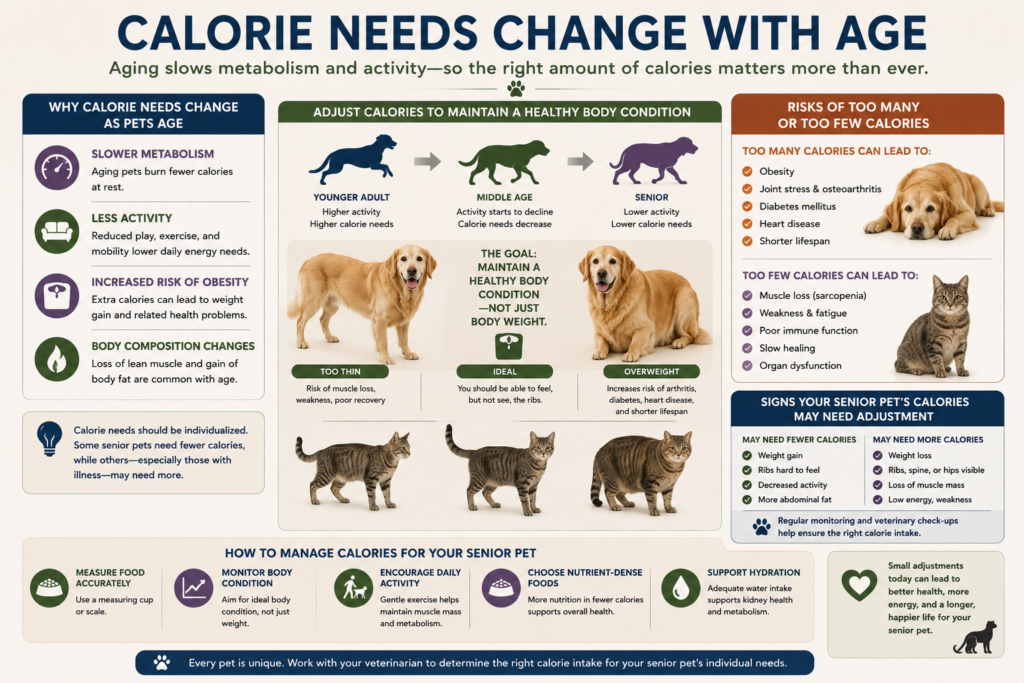
Calorie Needs Change With Age
Many senior pets become less active and burn fewer calories.
This means older pets are often at increased risk of obesity if calorie intake is not adjusted appropriately.
Obesity in senior pets is associated with:
- Osteoarthritis
- Diabetes mellitus
- Reduced lifespan
- Cardiovascular stress
- Reduced mobility
However, some very elderly pets — especially cats — may instead lose weight due to reduced digestion, chronic disease, or muscle wasting.
For this reason, calorie needs should be individualized rather than based solely on age.
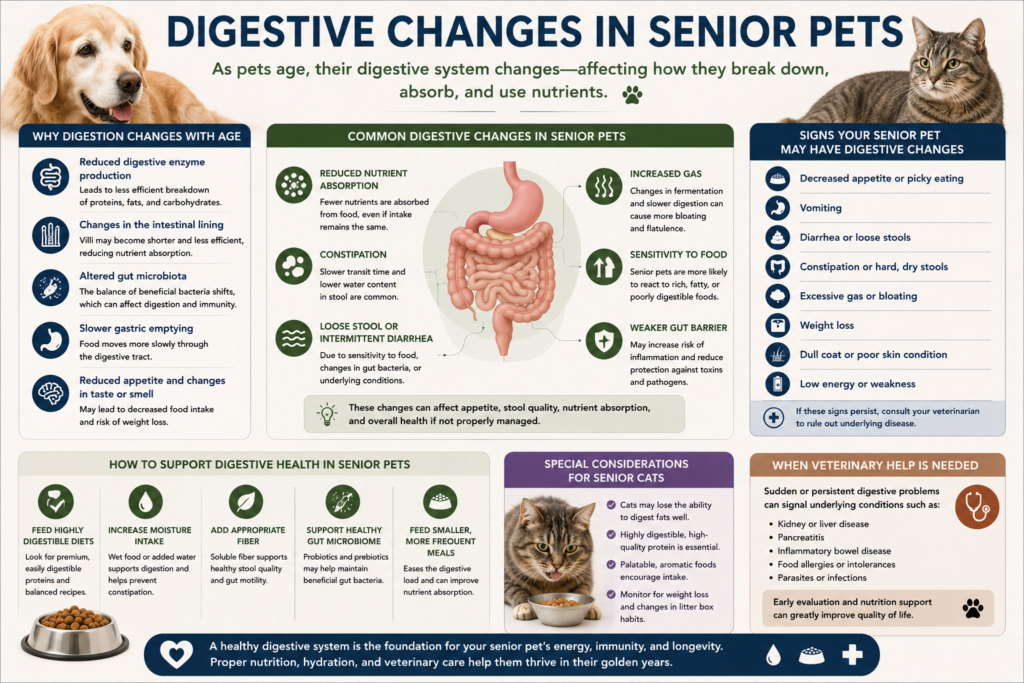
Digestive Changes in Senior Pets
Digestive efficiency may decline with age.
Senior pets may experience:
- Reduced nutrient absorption
- Altered gut microbiota
- Constipation
- Reduced appetite
- Dental discomfort
Senior cats, in particular, may show decreased ability to digest fats and proteins as they age.
Highly digestible diets may help improve nutrient absorption and reduce gastrointestinal stress in older pets.
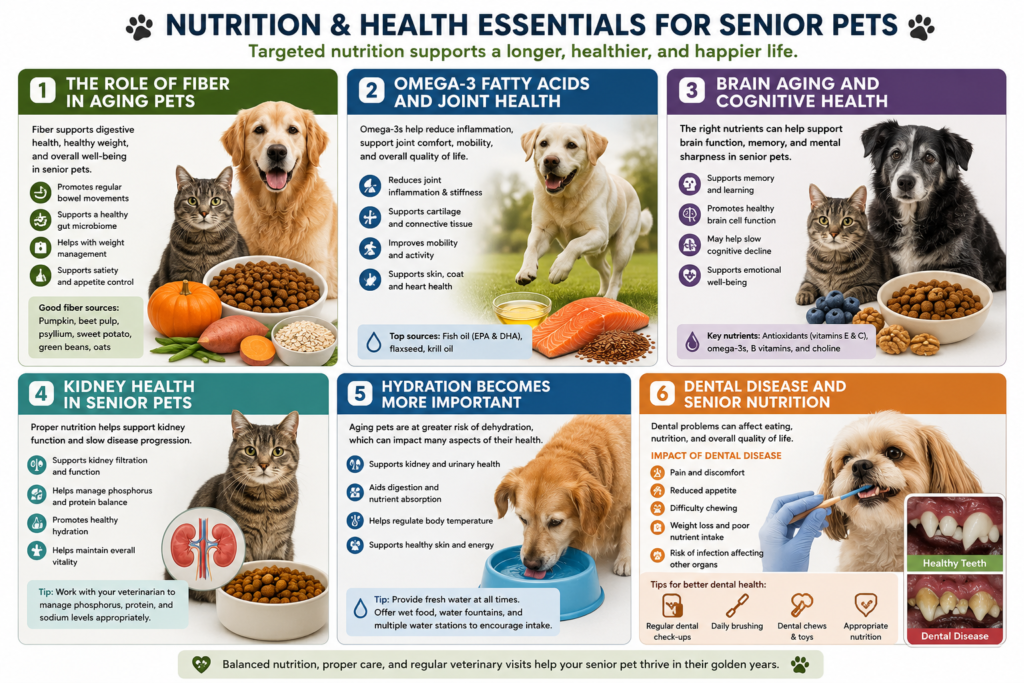
The Role of Fiber in Aging Pets
Fiber can play an important role in senior nutrition.
Benefits may include:
- Improved stool quality
- Gastrointestinal regulation
- Weight management
- Satiety support
- Gut microbiome support
However, excessive fiber may reduce calorie intake and nutrient digestibility in underweight senior pets.
Veterinary nutritionists recommend balancing fiber levels according to the pet’s:
- Weight
- Digestive condition
- Activity level
- Medical history
Omega-3 Fatty Acids and Joint Health
Aging pets commonly develop osteoarthritis and chronic inflammation.
Research supports the role of omega-3 fatty acids — especially EPA and DHA from fish oil — in supporting:
- Joint health
- Mobility
- Anti-inflammatory pathways
- Cognitive health
Long-chain omega-3 fatty acids may also contribute to improved cognitive function in aging dogs and cats.
Several veterinary therapeutic diets now incorporate omega-3 supplementation specifically for senior mobility support.
Brain Aging and Cognitive Health
Senior pets may develop cognitive dysfunction syndrome (CDS), a neurodegenerative condition similar in some ways to dementia in humans.
Signs may include:
- Disorientation
- Altered sleep patterns
- Anxiety
- House-soiling
- Reduced interaction
- Confusion
Veterinary studies suggest antioxidants, omega-3 fatty acids, mitochondrial nutrients, and brain-supportive diets may help support cognitive function in aging pets.
Kidney Health in Senior Pets
Kidney disease becomes increasingly common with age, especially in cats.
Nutritional management may include:
- Controlled phosphorus intake
- Adequate hydration
- High-quality protein
- Omega-3 fatty acids
- Increased moisture intake
Importantly, veterinary research increasingly emphasizes phosphorus management rather than excessive protein restriction in many senior pets.
Hydration Becomes More Important
Older pets are at greater risk of dehydration due to:
- Reduced thirst drive
- Kidney disease
- Reduced mobility
- Medication use
Cats are particularly prone to chronic low water intake.
Strategies that may help include:
- Wet food diets
- Water fountains
- Multiple water stations
- Adding moisture to meals
Hydration plays an important role in supporting:
- Kidney health
- Urinary health
- Digestion
- Circulation
Dental Disease and Senior Nutrition
Dental disease is extremely common in older pets and can significantly affect eating behavior.
Painful teeth or gum disease may lead to:
- Reduced appetite
- Weight loss
- Difficulty chewing
- Selective eating
Softened foods, wet diets, or veterinary dental treatment may improve nutritional intake in affected pets.
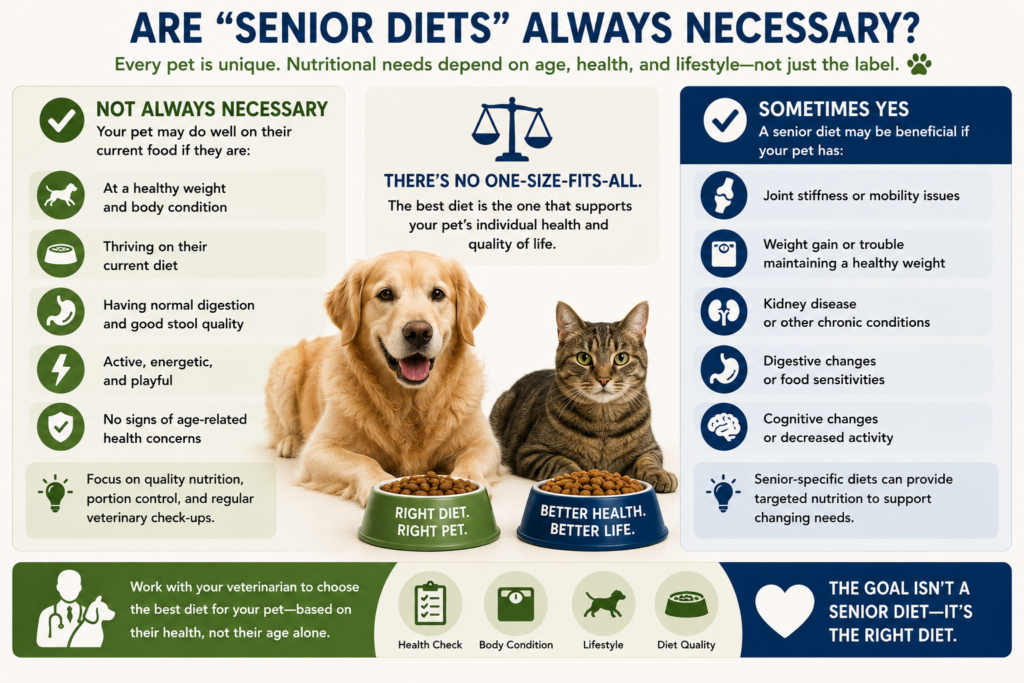
Are “Senior Diets” Always Necessary?
Not every older pet requires a specialized senior diet.
AAFCO currently establishes nutrient profiles for:
- Growth/reproduction
- Adult maintenance
However, there are no official AAFCO nutrient standards specifically for senior pets.
This means nutritional needs should be individualized based on:
- Body condition
- Muscle mass
- Activity level
- Organ health
- Medical conditions
- Appetite
Some healthy seniors thrive on adult maintenance diets, while others benefit from targeted senior formulations.
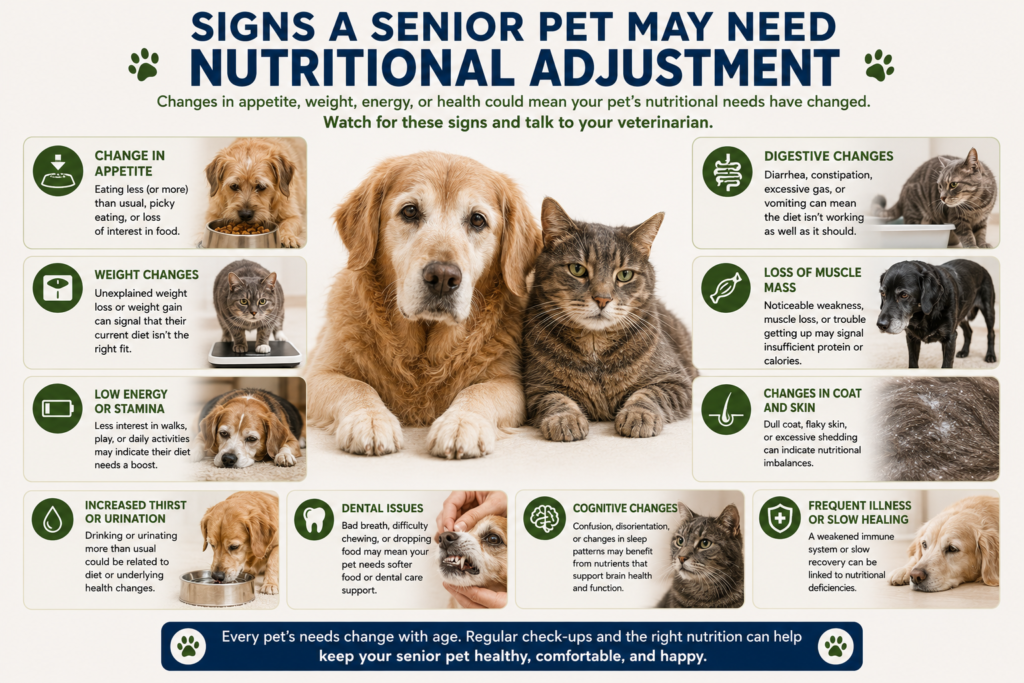
Signs a Senior Pet May Need Nutritional Adjustment
Pet owners should monitor for:
- Weight gain or loss
- Muscle wasting
- Reduced appetite
- Increased thirst
- Poor coat quality
- Reduced mobility
- Digestive changes
- Low energy
- Difficulty chewing
Regular veterinary examinations and body condition scoring are important for identifying nutritional issues early.
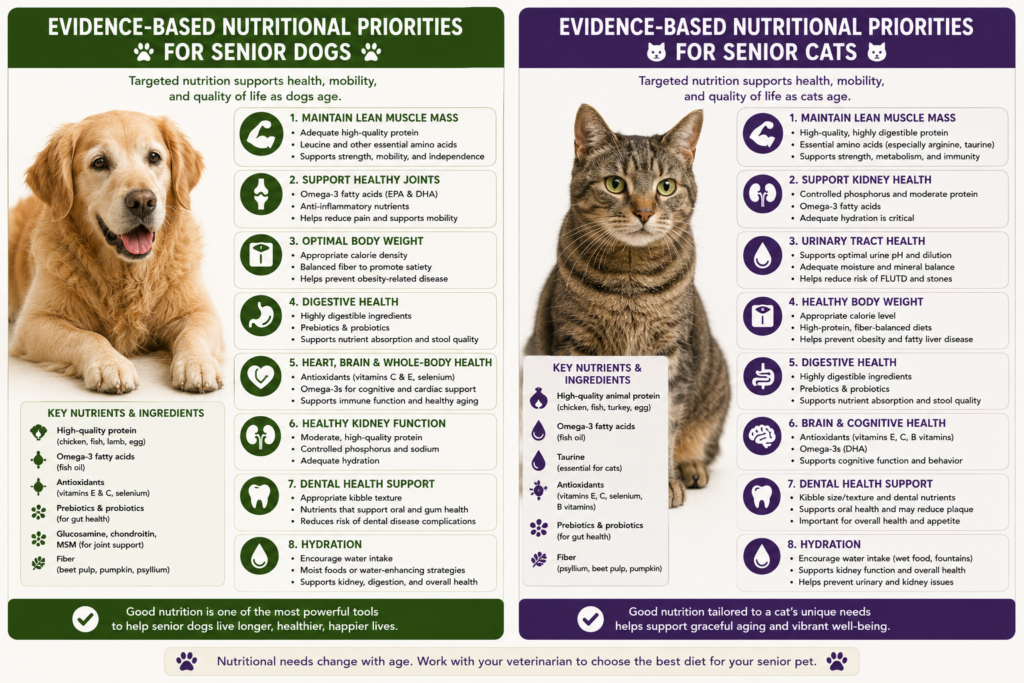
Evidence-Based Nutritional Priorities for Senior Dogs
| Nutritional Focus | Why It Matters |
|---|---|
| High-quality protein | Supports muscle preservation |
| Controlled calories | Prevents obesity |
| Omega-3 fatty acids | Supports joints and cognition |
| Antioxidants | Reduces oxidative stress |
| Digestible ingredients | Supports nutrient absorption |
| Hydration support | Maintains kidney and urinary health |
| Joint-support nutrients | Helps mobility |
Evidence-Based Nutritional Priorities for Senior Cats
| Nutritional Focus | Why It Matters |
|---|---|
| Highly digestible animal protein | Supports lean muscle |
| Moisture-rich diets | Supports hydration and kidneys |
| Controlled phosphorus | Supports kidney health |
| Omega-3 fatty acids | Supports inflammation control |
| Adequate calories | Prevents unhealthy weight loss |
| Antioxidants | Supports healthy aging |
| Palatable foods | Encourages food intake |
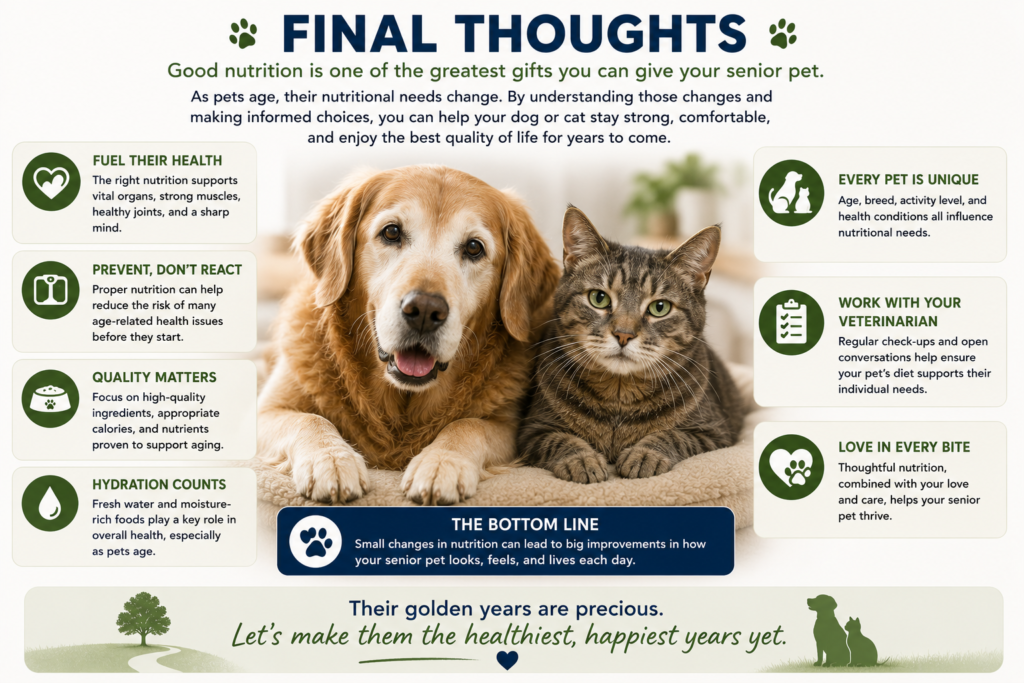
Final Thoughts
Aging significantly changes the nutritional needs of dogs and cats. Modern veterinary research increasingly recognizes nutrition as one of the most important tools for supporting healthy aging, preserving muscle mass, maintaining mobility, supporting cognition, and improving quality of life in senior pets.
Scientific evidence shows that senior pets often benefit from:
- Highly digestible nutrition
- Adequate high-quality protein
- Omega-3 fatty acids
- Weight management
- Hydration support
- Individualized feeding strategies
Importantly, healthy aging alone does not justify overly restrictive diets. Nutritional decisions should always consider the individual pet’s health status, body condition, activity level, and medical history.
With proper nutrition, preventive veterinary care, and regular monitoring, many senior dogs and cats can continue to enjoy active, comfortable, and fulfilling lives well into their later years.
References
- Cai X et al. Nutrition Research in Aging Dogs and Cats. Animals. 2026.
- Bermingham EN et al. Nutritional Needs and Health Outcomes of Ageing Cats and Dogs. Animal Frontiers. 2024.
- Laflamme DP. Nutrition for Aging Cats and Dogs and the Importance of Body Condition. Veterinary Therapeutics. 2005.
- Blanchard G. Nutrition and Aging in Dogs and Cats. Journal of Veterinary Science. 2025.
- Purina Institute. Lean Body Mass & Protein.
- WSAVA Nutrition Guidelines. Optimal Nutrition for Senior Pets.
- Hutchinson D. Optimal Nutrition for Older Cats. Veterinary Learning Systems. 2011.
- Royal Canin Academy. Nutrition of Aging Cats.
- Senior Pet Nutrition and Management. Veterinary Clinics of North America: Small Animal Practice. 2021.
- Association of American Feed Control Officials (AAFCO). AAFCO Official Website