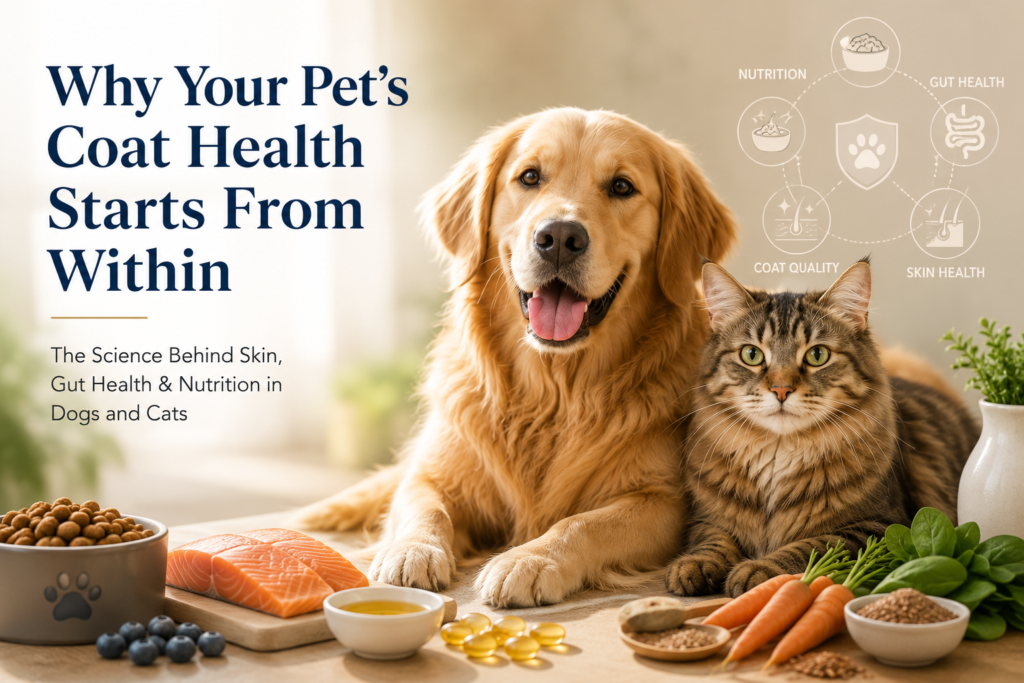
Modern veterinary research now shows a strong connection between gut health, immune regulation, inflammation, and skin condition — commonly referred to as the “gut-skin axis.” Nutrition, probiotics, essential fatty acids, and targeted supplementation can all influence skin barrier function, coat quality, and inflammatory responses in companion animals.
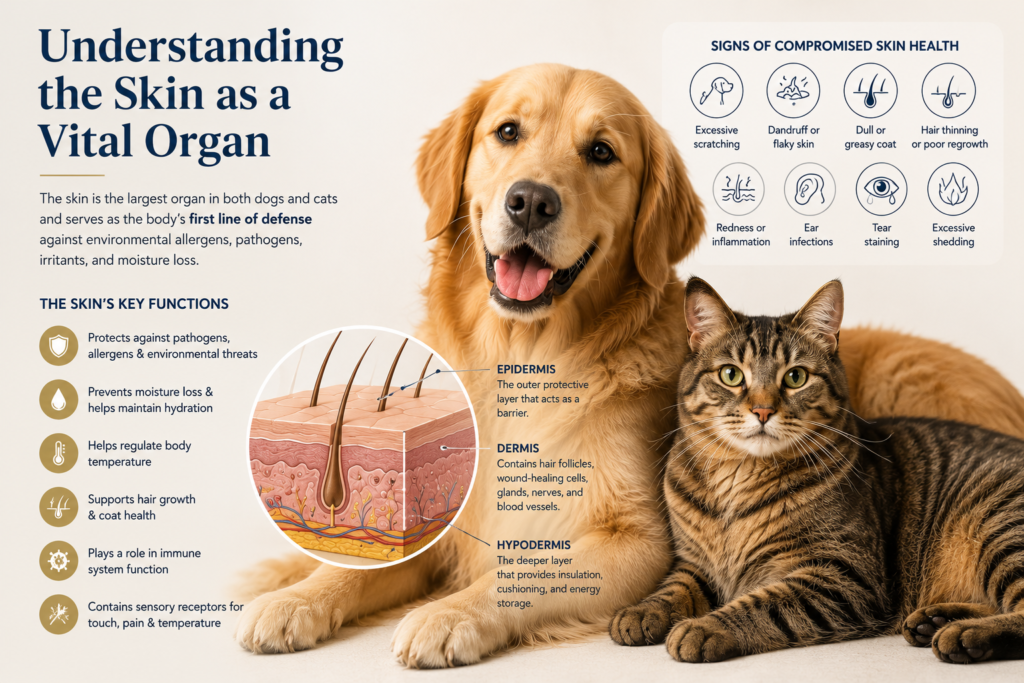
Understanding the Skin as a Vital Organ
The skin is the largest organ in both dogs and cats and serves as the body’s first line of defense against environmental allergens, pathogens, irritants, and moisture loss. Healthy skin depends on several interconnected systems functioning properly, including:
-
- The immune system
- The gastrointestinal microbiome
- Nutrient absorption
- Hormonal balance
- Hydration status
- Fatty acid metabolism
When one of these systems becomes compromised, skin problems often appear as one of the earliest visible signs. Veterinary dermatology research has demonstrated that nutritional deficiencies, intestinal dysbiosis, chronic inflammation, and immune dysfunction can all negatively affect skin and coat quality.
Common signs of compromised skin health include:
-
- Excessive scratching or licking
- Dandruff or flaky skin
- Greasy or dull coat
- Hair thinning or poor regrowth
- Chronic ear infections
- Redness or inflammation
- Tear staining
- Hot spots
- Excessive shedding
According to veterinary dermatology resources, many of these symptoms are associated with inflammatory skin disorders, food sensitivities, or impaired skin barrier integrity.
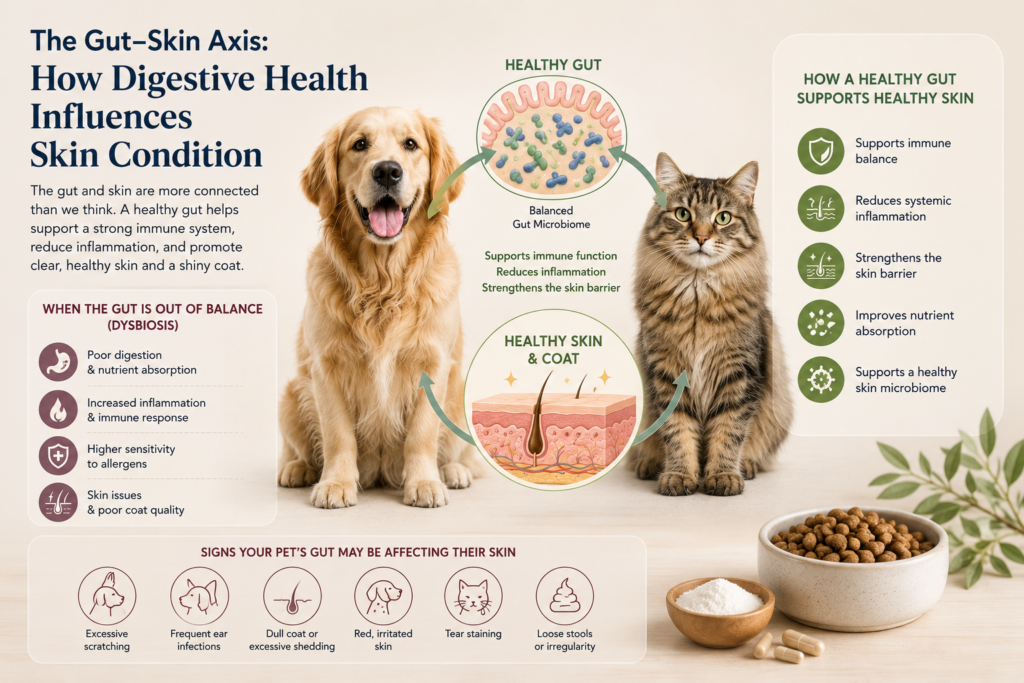
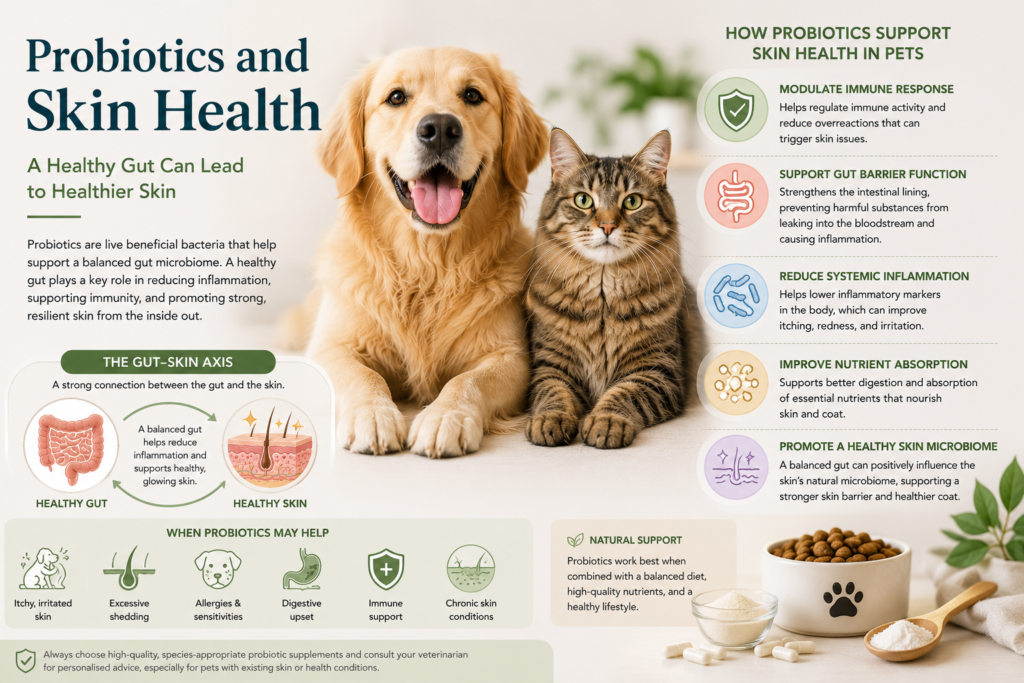
The Gut-Skin Axis: How Digestive Health Influences Skin Condition
One of the most significant developments in veterinary nutrition research is the understanding of the gut-skin axis.
The gastrointestinal tract contains trillions of microorganisms collectively known as the gut microbiome. These microbes help regulate digestion, nutrient absorption, immune responses, and inflammation. When the microbiome becomes imbalanced — a condition known as dysbiosis — inflammatory responses throughout the body may increase, including within the skin.
Research involving dogs with allergic skin disease found measurable differences in gut microbiota composition compared with healthy dogs. Scientists also observed improvements in both gut microbial balance and clinical skin symptoms following nutritional intervention.
Additional studies suggest that beneficial gut bacteria may help:
-
- Support immune regulation
- Reduce inflammatory signaling
- Improve skin barrier integrity
- Lower allergy-related responses
- Improve stool quality and nutrient absorption
These findings have led many veterinarians to increasingly consider gut health support as part of long-term skin and allergy management strategies.
Probiotics and Skin Health
Probiotics are live beneficial microorganisms that help maintain healthy intestinal microbial balance. While probiotics have long been associated with digestive support, emerging veterinary research suggests they may also influence skin health and immune function.
A 2024 randomized controlled trial evaluating a probiotic and nutraceutical blend in dogs with skin allergies reported improvements in clinical skin signs and overall health markers after 10 weeks of supplementation.
Another 2025 study investigating probiotic supplementation in dogs with atopic dermatitis found reductions in itch severity, inflammatory markers, and skin lesion scores following daily probiotic administration.
Researchers believe probiotics may help skin health through several mechanisms:
-
- Modulating immune responses
- Supporting intestinal barrier function
- Reducing systemic inflammation
- Improving nutrient metabolism
- Influencing the skin microbiome indirectly through gut interactions
Recent research from the University of Adelaide also suggested that oral probiotic supplementation may positively influence not only gut bacteria but also beneficial skin bacteria in dogs.
Although probiotic research in veterinary medicine continues to evolve, current evidence supports their potential role as part of a broader wellness and skin-support strategy.
Omega-3 Fatty Acids and Coat Quality
Essential fatty acids are among the most researched nutritional components for skin and coat support in pets.
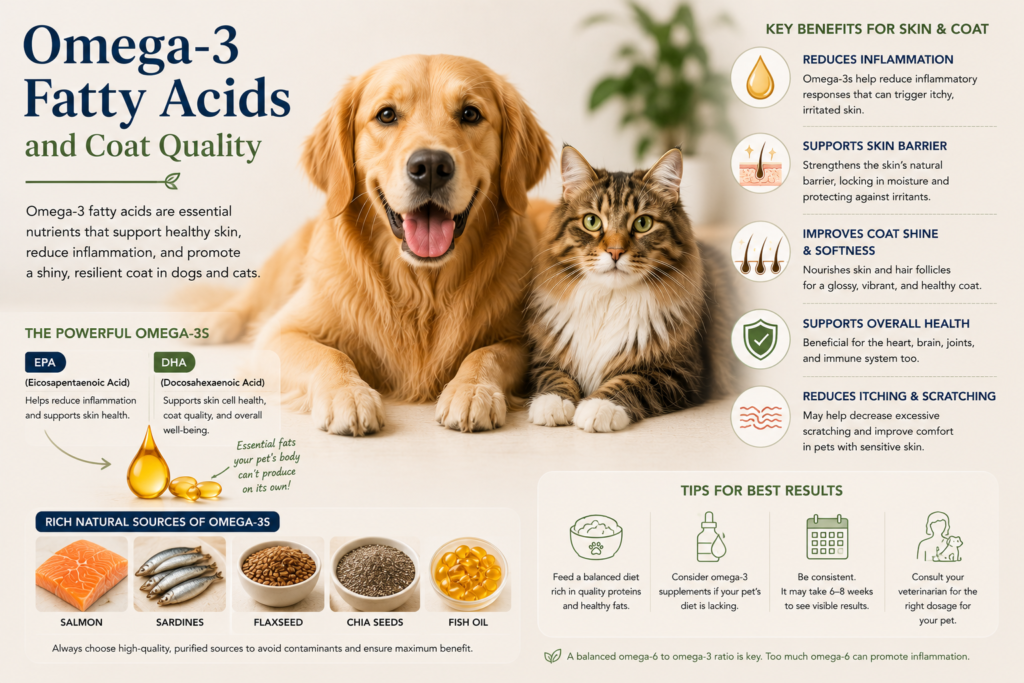
Omega-3 fatty acids — particularly EPA (eicosapentaenoic acid) and DHA (docosahexaenoic acid) commonly found in fish oil — possess anti-inflammatory properties that may help reduce skin irritation and support coat condition.
Multiple veterinary studies have shown that omega-3 supplementation may help:
-
- Improve coat glossiness
- Reduce itchiness and scratching
- Support skin hydration
- Decrease inflammatory responses
- Improve skin barrier function
Research published in veterinary dermatology literature has also demonstrated that dietary fatty acid balance — particularly the ratio of omega-6 to omega-3 fatty acids — plays an important role in managing inflammatory skin conditions in dogs.
Omega-6 fatty acids, especially linoleic acid, are essential for maintaining the skin’s protective barrier and retaining moisture. However, excessive omega-6 intake without sufficient omega-3 balance may contribute to increased inflammatory signaling.
This is why high-quality skin-support formulations often focus on achieving a balanced fatty acid profile rather than simply increasing fat intake alone.
Nutrients That Support Healthy Skin and Fur
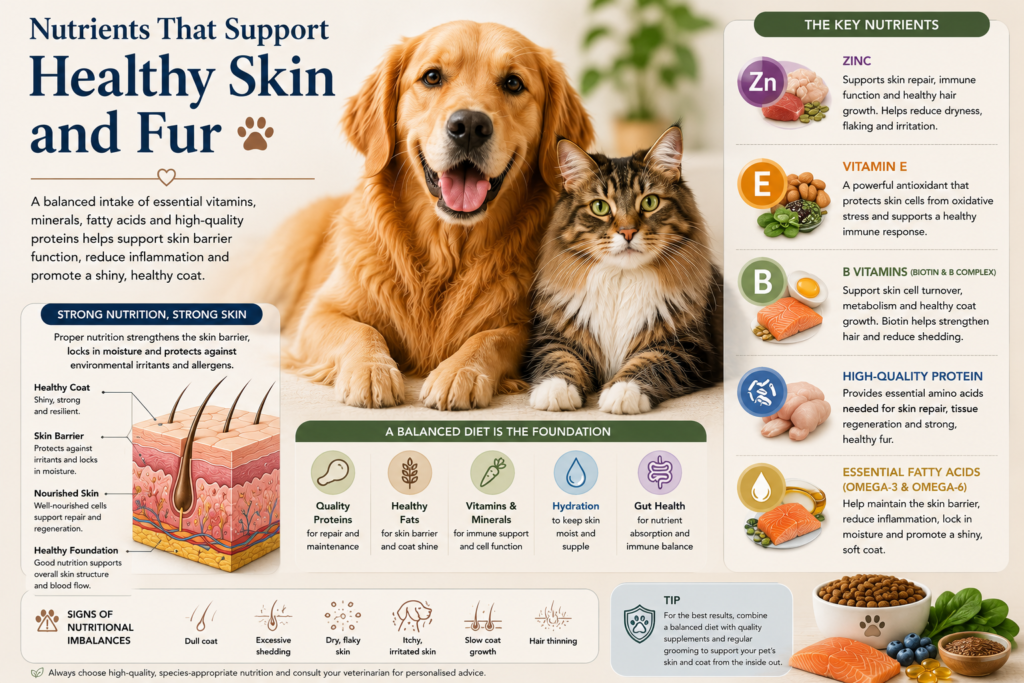
Beyond probiotics and fatty acids, several vitamins and minerals are essential for maintaining healthy skin and coat quality.
Zinc
Zinc plays a critical role in skin repair, immune function, and keratin production. Zinc deficiency in dogs can contribute to flaky skin, crusting, and poor coat condition. Veterinary studies have shown improvements in skin lesion scores following zinc supplementation in certain cases.
Vitamin E
Vitamin E functions as an antioxidant that helps protect skin cells from oxidative stress and inflammatory damage. Some studies have demonstrated improvements in canine atopic dermatitis severity following vitamin E supplementation.
Biotin and B Vitamins
B vitamins help support skin cell turnover, hair growth, and metabolic function. Deficiencies may contribute to dull coats, excessive shedding, and skin irritation.
Protein Quality
Hair is composed primarily of protein, meaning inadequate protein intake or poor amino acid absorption can negatively affect coat quality. High-quality animal proteins provide essential amino acids necessary for fur growth and skin repair.
Why Some Pets Still Have Skin Problems Despite “Good Food”
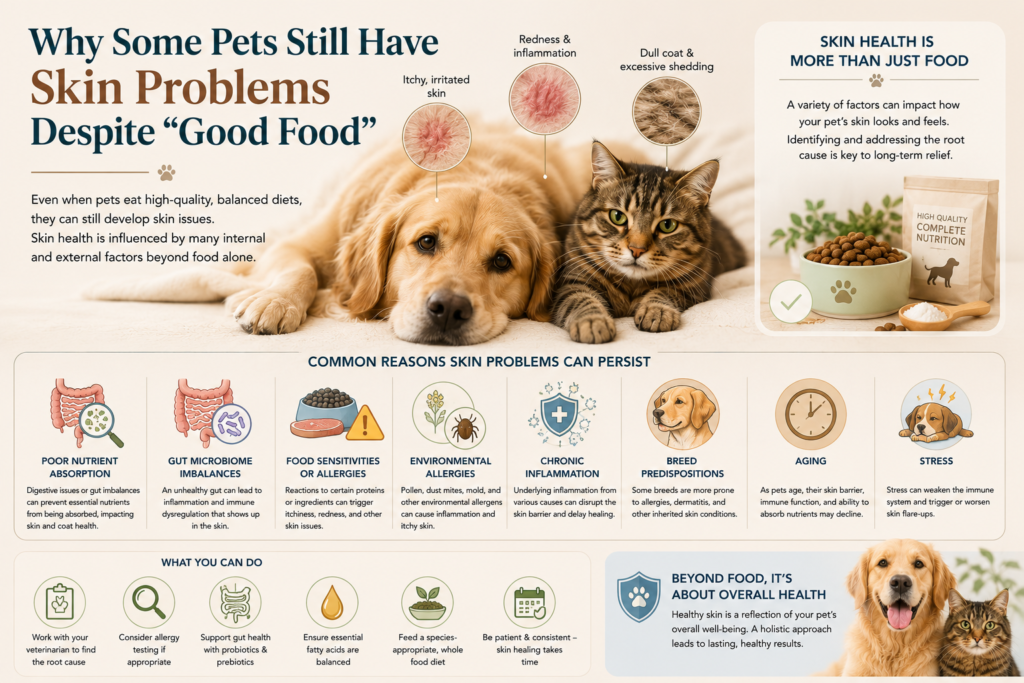
Even pets eating commercially balanced diets may still develop skin or coat problems. Several factors can contribute:
-
- Poor nutrient absorption
- Chronic inflammation
- Food sensitivities
- Environmental allergies
- Gut microbiome imbalances
- Breed predispositions
- Aging
- Stress
Some pets may also have increased nutritional demands due to chronic inflammatory conditions or skin disorders. In these cases, targeted nutritional support may help complement veterinary treatment plans.
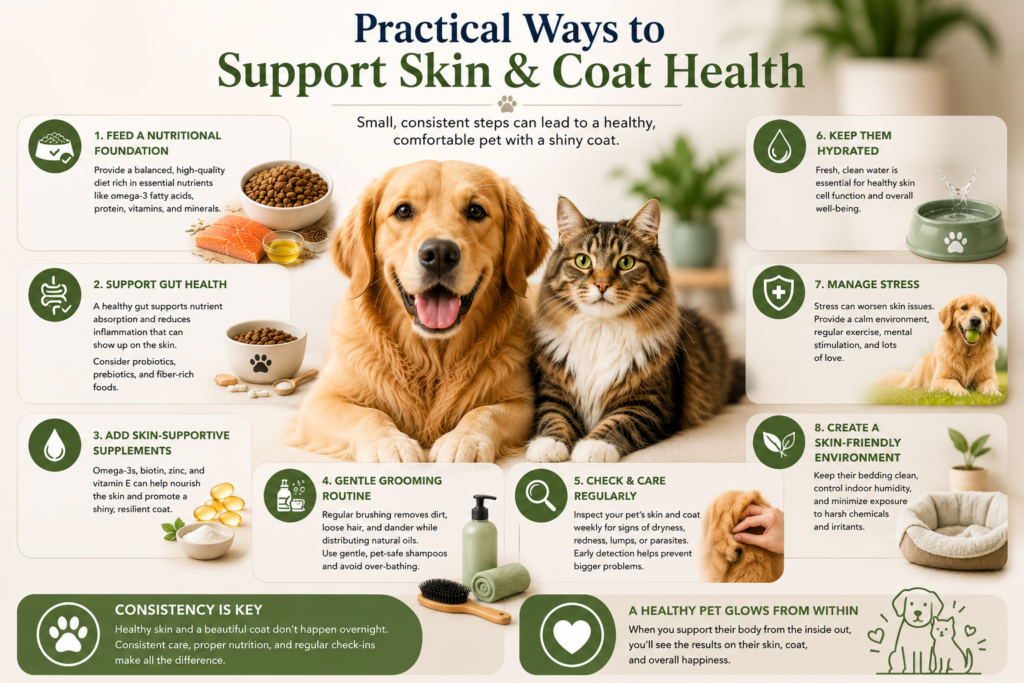
Practical Ways to Support Skin and Coat Health
Pet owners can help support healthy skin and coat condition through several evidence-based approaches:
Feed a Balanced, High-Quality Diet
Choose nutritionally complete diets with quality animal proteins and balanced fatty acid profiles.
Support Gut Health
Probiotics and prebiotics may help maintain microbial balance and digestive health.
Include Omega-3 Fatty Acids
EPA and DHA from marine sources may help reduce inflammatory responses and support coat condition.
Maintain Regular Grooming
Routine brushing removes debris, distributes natural oils, and helps monitor skin condition early.
Monitor for Early Signs
Persistent scratching, recurrent ear infections, or coat dullness should be evaluated early by a veterinarian.
Prioritize Hydration
Proper hydration supports skin elasticity and barrier integrity.
Final Thoughts
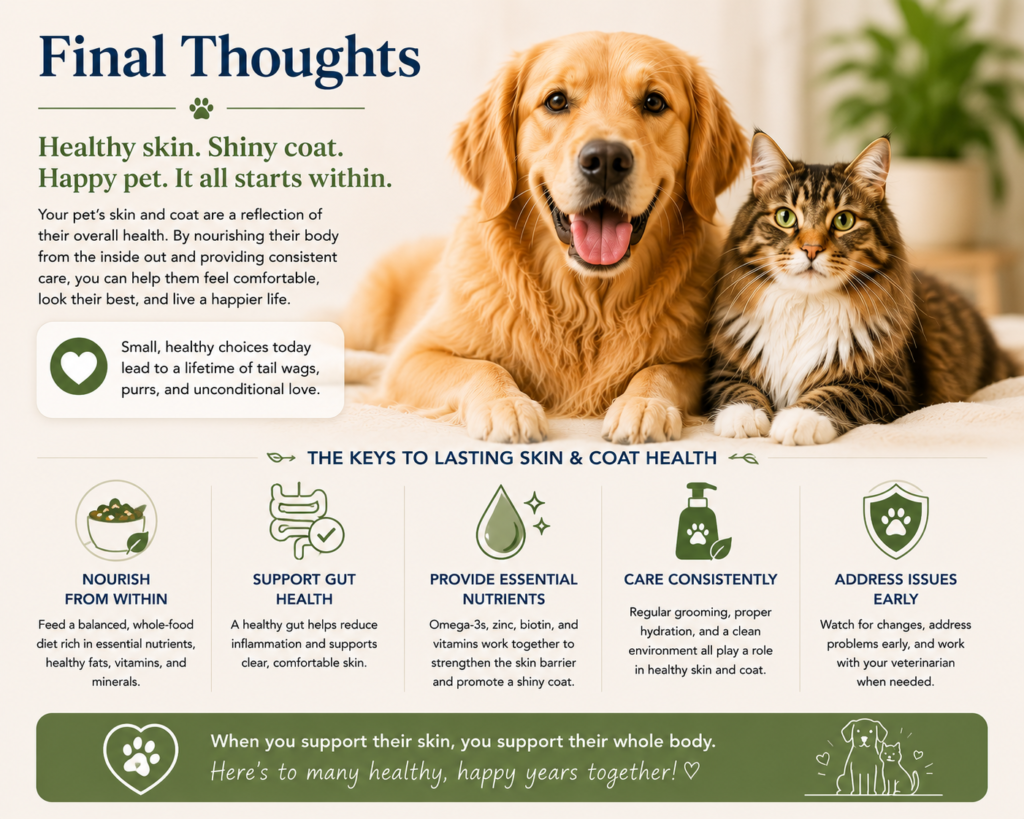
Healthy skin and a glossy coat are more than aesthetic features — they often reflect what is happening internally within a pet’s digestive, immune, and inflammatory systems.
Scientific research increasingly supports the connection between nutrition, gut health, probiotics, essential fatty acids, and dermatological wellness in dogs and cats. While no single supplement or ingredient is a cure-all, a comprehensive approach combining balanced nutrition, microbiome support, and targeted supplementation may help support healthier skin, improved coat quality, and overall well-being.
As veterinary nutrition science continues to evolve, the focus is shifting from simply treating symptoms externally to supporting health from within.
References
- Tate DE et al. A Randomized Controlled Trial to Evaluate the Impact of a Probiotic and Nutraceutical Blend on Canine Skin Allergy. 2024.
- Baritugo KA et al. Perspectives on Functional Foods for Improvement of Canine Gut Health and Microbiome. 2023.
- Huang HW et al. Evaluating the Adjuvant Therapeutic Effects of Probiotic Supplementation in Canine Atopic Dermatitis. 2025.
- Noli C et al. Analysis of Intestinal Microbiota and Metabolic Pathways in Dogs with Allergic Skin Disease. 2023.
- Marchegiani A et al. Impact of Nutritional Supplementation on Canine Dermatological Disorders. Veterinary Sciences. 2020.
- Rees CA et al. Effects of Dietary Fatty Acid Supplementation on Skin and Hair Coat Condition in Dogs. Veterinary Dermatology.
- Cornell University Riney Canine Health Center. The Power of Probiotics.
- Veterinary dermatology nutrition literature on omega-3 and omega-6 fatty acids in canine skin health.